

Why Being Strategically Useless Is The Key To Mental Health

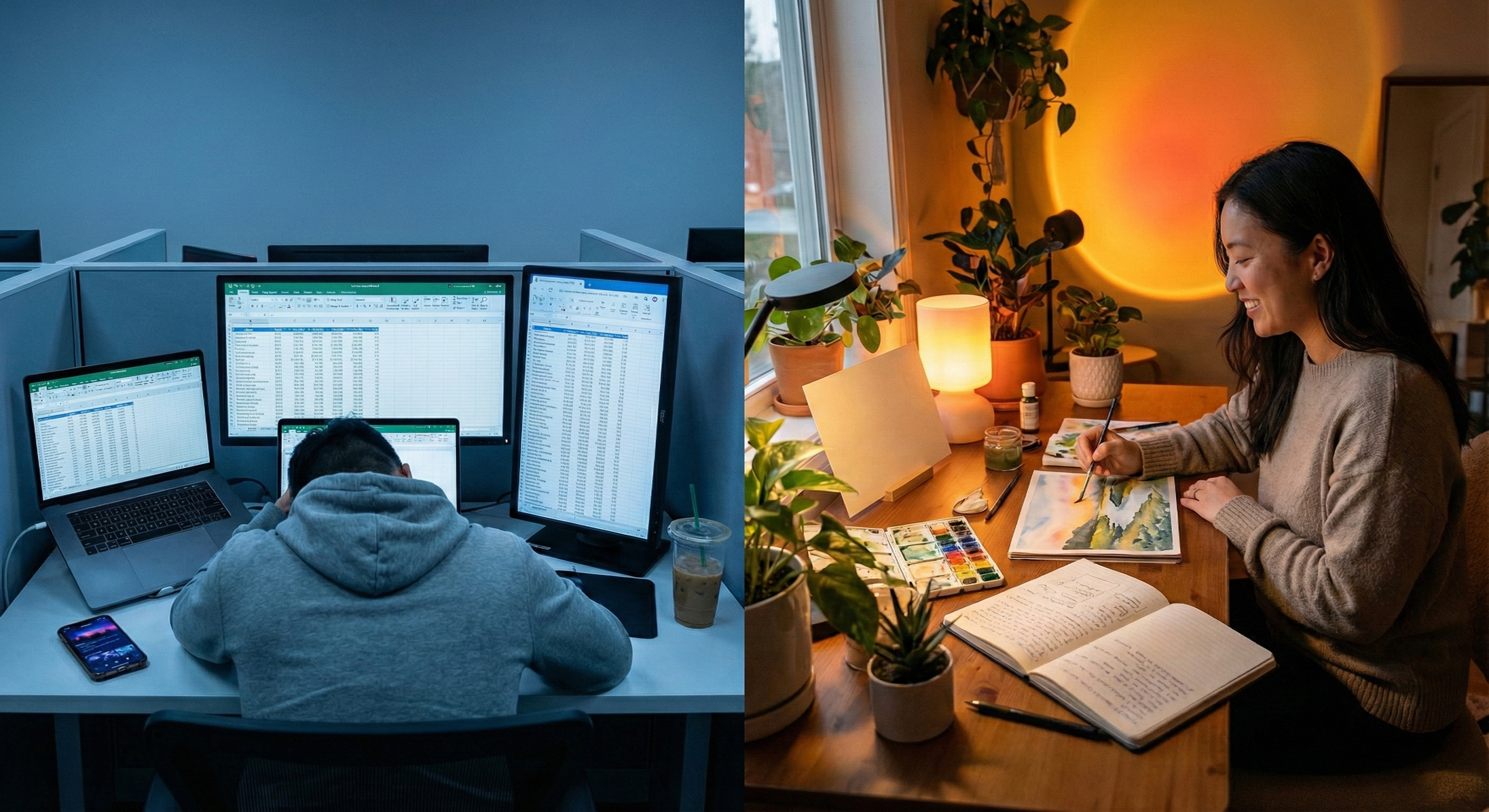
The cultural script for students and professionals is being rewritten. We used to believe the hours after work or school were for "hustling", monetizing hobbies and building resumes. But new psychological research suggests this is a recipe for burnout. The real cure for the "autonomy deficit" we face during the day isn't passive rest (like scrolling TikTok); it's "active recovery" in customized environments. To reclaim your energy, you need to hack your lighting, curate your space, and embrace "strategic uselessness", doing things purely for joy, not for profit.
The System Failure of "Grind Culture"
For the better part of two decades, the dominant operating system for early-career professionals, students, and interns has been corrupted by a single, relentless directive: Optimization. We were sold a narrative that framed the hours between 5:00 PM and 9:00 AM as a "second shift", a golden window to build a startup, freelance, launch a brand, or out-compete our peers. In this "rise and grind" ethos, sleep was viewed as a bug, and leisure was seen as a missed revenue opportunity.
However, a necessary patch is finally being applied to this broken mindset. A new paradigm is emerging, driven by a generation facing unprecedented levels of structural anxiety and burnout. We are realizing that for the modern student or employee positioned at the bottom of the hierarchy, a stratum defined by high demand, low autonomy, and intense scrutiny, the "5-to-9" routine is not a luxury or a financial strategy. It is a psychological survival mechanism.
The Diagnosis: Why You Feel "Thwarted"
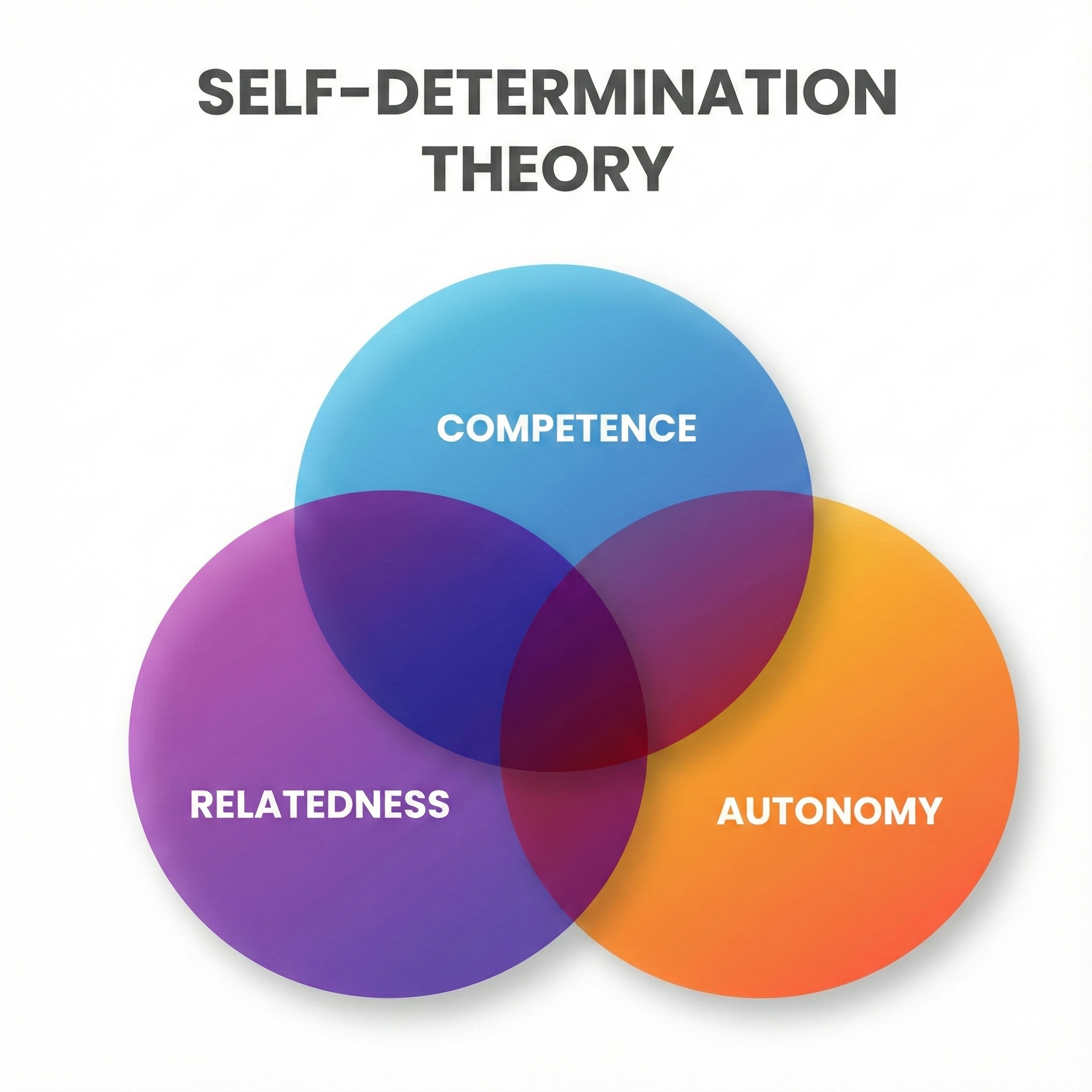
To understand why we feel so hollowed out after a day of classes or office work, we have to look beyond simple exhaustion. You aren't just tired because you worked hard; you are tired because of a "thwarted self." This concept comes from Self-Determination Theory (SDT), which posits that human well-being relies on three specific psychological nutrients: Autonomy (control over your actions), Competence (feeling good at what you do), and Relatedness (connection to others).
The typical 9-to-5 experience is an "autonomy desert." Whether you are an intern fetching coffee, a student following a rigid syllabus, or a junior employee processing data, your day is defined by other people's choices. You execute tasks you didn't choose, on timelines you didn't set, for goals you might not care about. This creates a massive "volitional deficit." The 5-to-9, therefore, is not primarily about having "fun." It is about the radical re-assertion of agency. It is the time when you become the Architect, the CEO, and the Creator of your own micro-universe.
The Trap: Why "Rotting" on the Couch Doesn't Help
When we crash after a long day, the default instinct is to initiate "power saving mode" via passive consumption, doomscrolling social media or binge-watching streaming services. We view our energy like a battery that simply needs to be plugged in and left alone. However, the "Effort-Recovery Model" of psychology suggests this is a critical error.
Passive leisure, particularly digital consumption, is often a trap. When you scroll through a feed, your brain is not resting; it is processing a rapid-fire, fragmented stream of information, news (anxiety), advertisements (desire), and other people's highlights (social comparison). This keeps your brain in a state of "low-grade activation" and consumes emotional bandwidth. You aren't detaching from the stress of the day; you are merely drowning it out with noise. This leads to the paradox where you spend four hours "resting" on your phone but emerge feeling more drained and "wired but tired" than when you started.
The Cure: Active Recovery and The Flow State
True restoration happens through Active Recovery. This means engaging your brain in a different way, rather than shutting it off. When you participate in a "low-stakes" passion project, whether that’s creative coding, watercolor painting, knitting, or writing bad poetry, you enter a psychological zone known as the Flow State.
In a Flow State, your brain waves shift. You move out of the Beta waves associated with the anxiety and logic of the workday and drift into the border of Alpha and Theta waves, the frequency of relaxation and deep insight. This state triggers a release of restorative neurochemicals like dopamine and endorphins. By balancing the challenge of the task with your skill level, you create a "safe container" for your attention. You stop ruminating on the awkward email you sent earlier because your brain is fully absorbed in the immediate joy of creation.
Hacking Your Habitat: The Physics of "Cozy"
The battle for your mental health is also a spatial one. The "5-to-9" movement is visually codified by the "Cozy Desk" aesthetic, which is a direct rebellion against the sterile, fluorescent-lit environments of schools and corporate offices. This isn't just about decoration; it's about Environmental Psychology.
The most critical "API" for your mood is lighting temperature, measured in Kelvin.
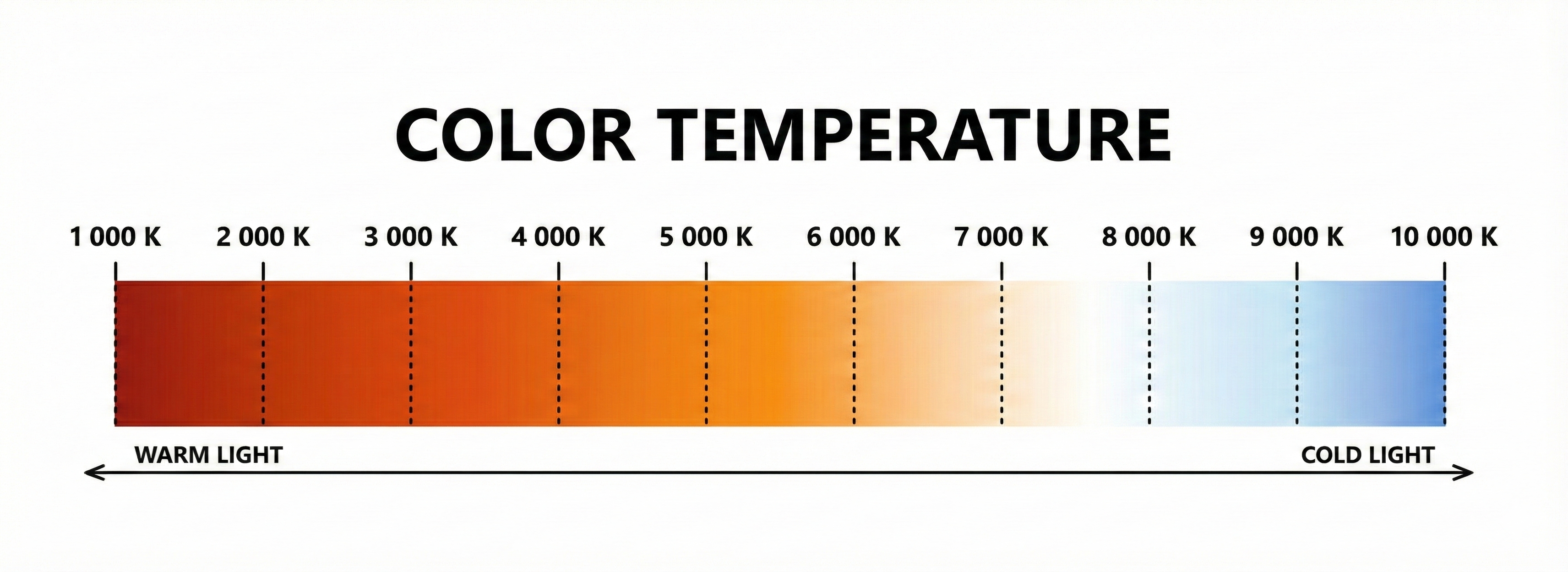
- The 9-to-5 Light (4000K - 6500K): This is the cool, blue-white light found in classrooms and offices. It suppresses melatonin and spikes cortisol to keep you alert and productive. It signals to your biological clock that it is "noon," keeping you in a state of high arousal.
- The 5-to-9 Light (1800K - 3000K): This is warm, amber light (sunset lamps, candles, warm LEDs). This spectrum signals safety and relaxation to your brain.
To reclaim your agency, you must engineer your environment. If you can't control the lights at work or school, you must control them at home. Switching to warm lighting the moment you "clock out" creates a Pavlovian response in your brain, signaling that the pressure is off. Furthermore, surrounding yourself with "cluttercore", personal mementos, plants, and art, acts as an "external memory" of who you are, reinforcing your identity in a world that often tries to strip it away.
The Strategy: Embrace "Strategic Uselessness"
The final and most important step in the 5-to-9 reboot is protecting your passion from the marketplace. The "hustle culture" narrative urges us to monetize everything, to turn our art into an Etsy shop, our coding projects into a SaaS, or our writing into a Substack.
You must resist this. The moment you monetize a hobby, the motivation shifts from intrinsic (doing it for the love of it) to extrinsic (doing it for the reward). This triggers the "overjustification effect," turning your sanctuary back into a job.
Instead, practice Strategic Uselessness. Deliberately choose a project that has no commercial value.
- If you write code all day: Build a digital garden of notes that is just for you, not for SEO.
- If you are a student: Read a book that has nothing to do with your major.
- If you work in finance: Paint abstract art badly.
By engaging in activities that are "useless" to the economy, you make them invaluable to your soul. You restore the part of yourself that exists simply to be, rather than to produce.
Keep reading
Random picks from across Velio.
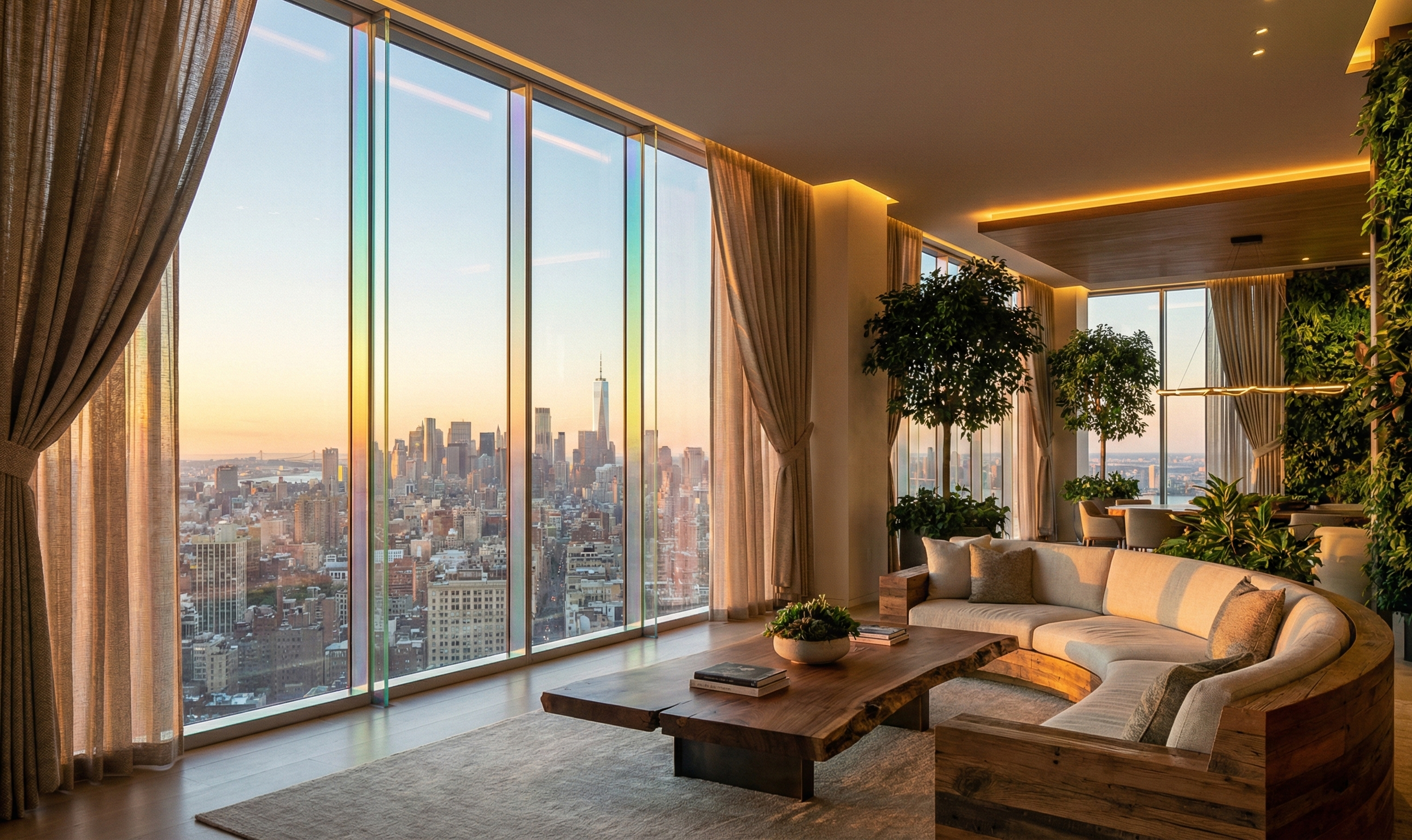
Discover how transparent solar windows and smart curtains are redefining urban energy in 2026. Explore the "Vertical Power Plant" and the latest BIPV trends from key players like UbiQD and SolarGaps.

As we move deeper into 2025, a profound inversion is reshaping the technological landscape. The frontier of AI innovation has migrated from distant, massive cloud servers to the in
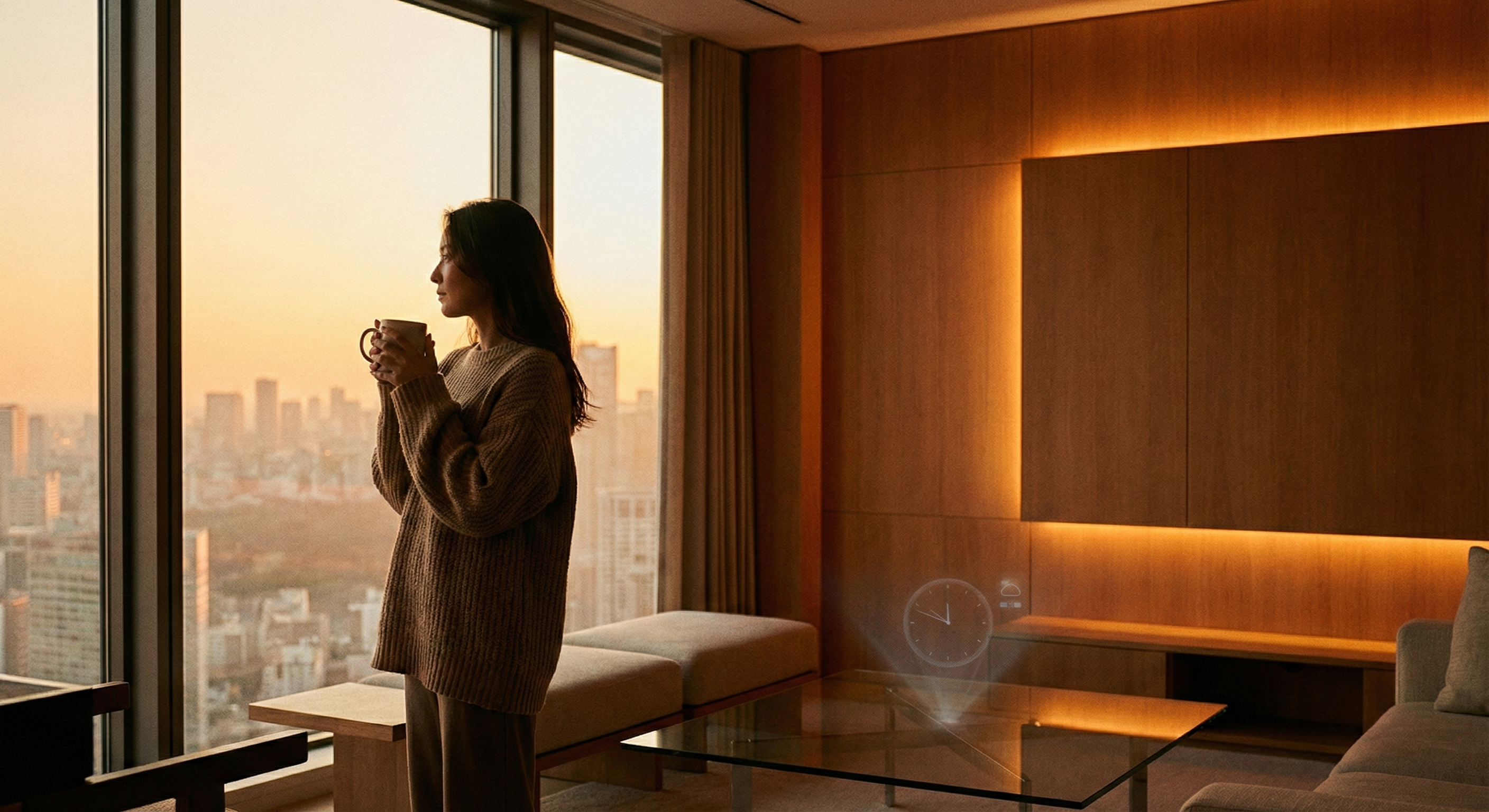
2025 marks the end of the "app" era. Explore how Ambient Computing, Large Action Models (LAMs), and neural interfaces are making screens obsolete.

Is TypeScript losing its crown? Explore the 2025 dev landscape, rising salaries, developer burnout, and Microsoft’s 10x faster Go-based "Project Corsa."

As we close out 2025, the landscape of budget PC building has shifted dramatically. Two years ago, "budget" meant compromising on core counts or being stuck on dead-end platforms.

Discover how the "AI Co-Parent" is revolutionizing pet care. From smart collars to health-tracking litter boxes, explore the $50B tech trend saving pet lives.

Meet ElliQ: The proactive AI companion fighting senior loneliness. Discover how social robotics and 'invisible' tech are redefining independence for the 100-year life.
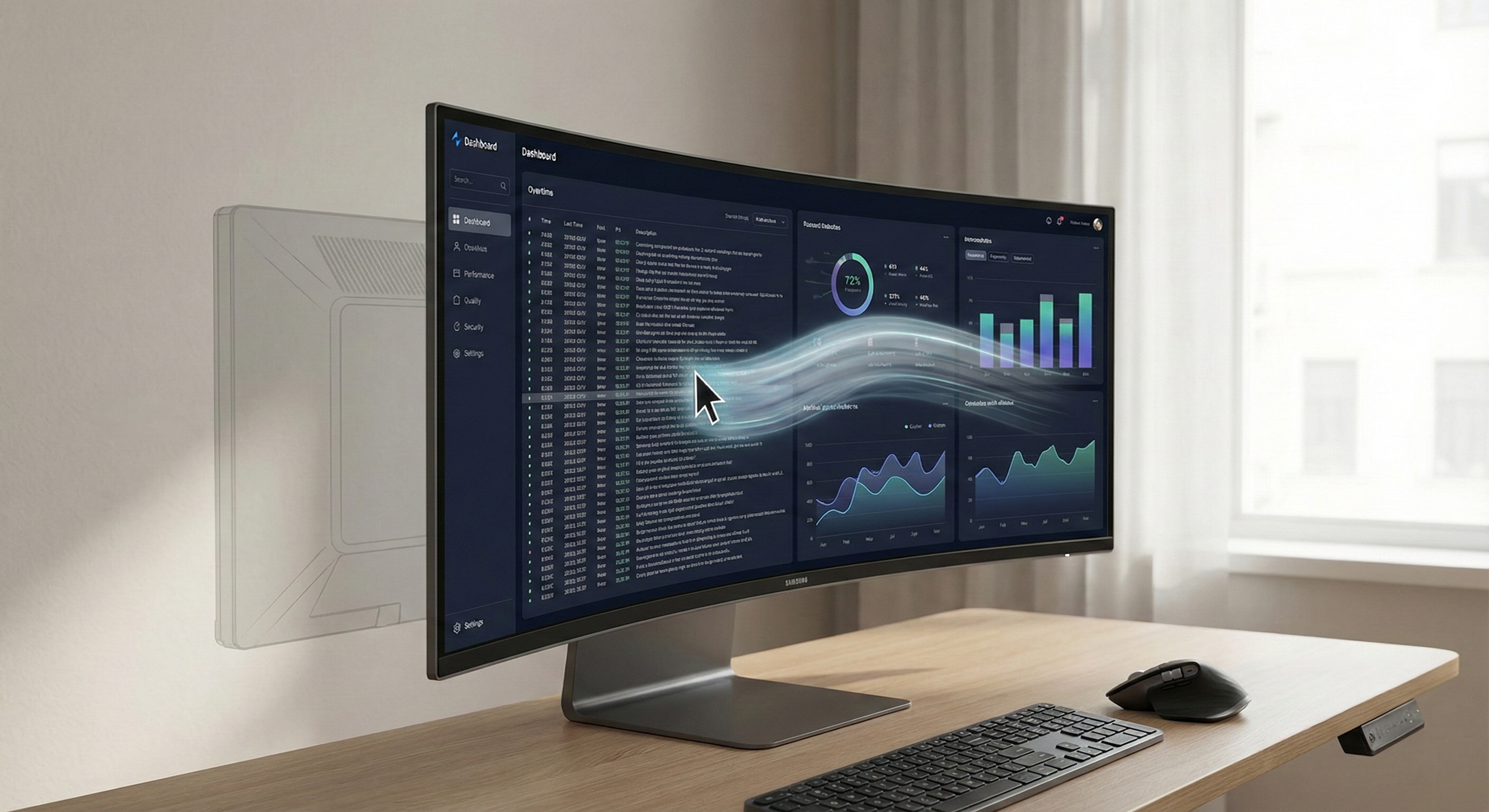
Why 60Hz is obsolete in 2026. Discover how 144Hz displays reduce eye strain, boost productivity, and why gaming tech is now the essential office health standard.

By using inexpensive "smart stickers" (NFC Stickers, the tech inside your credit card), you can create a home that organizes itself.