


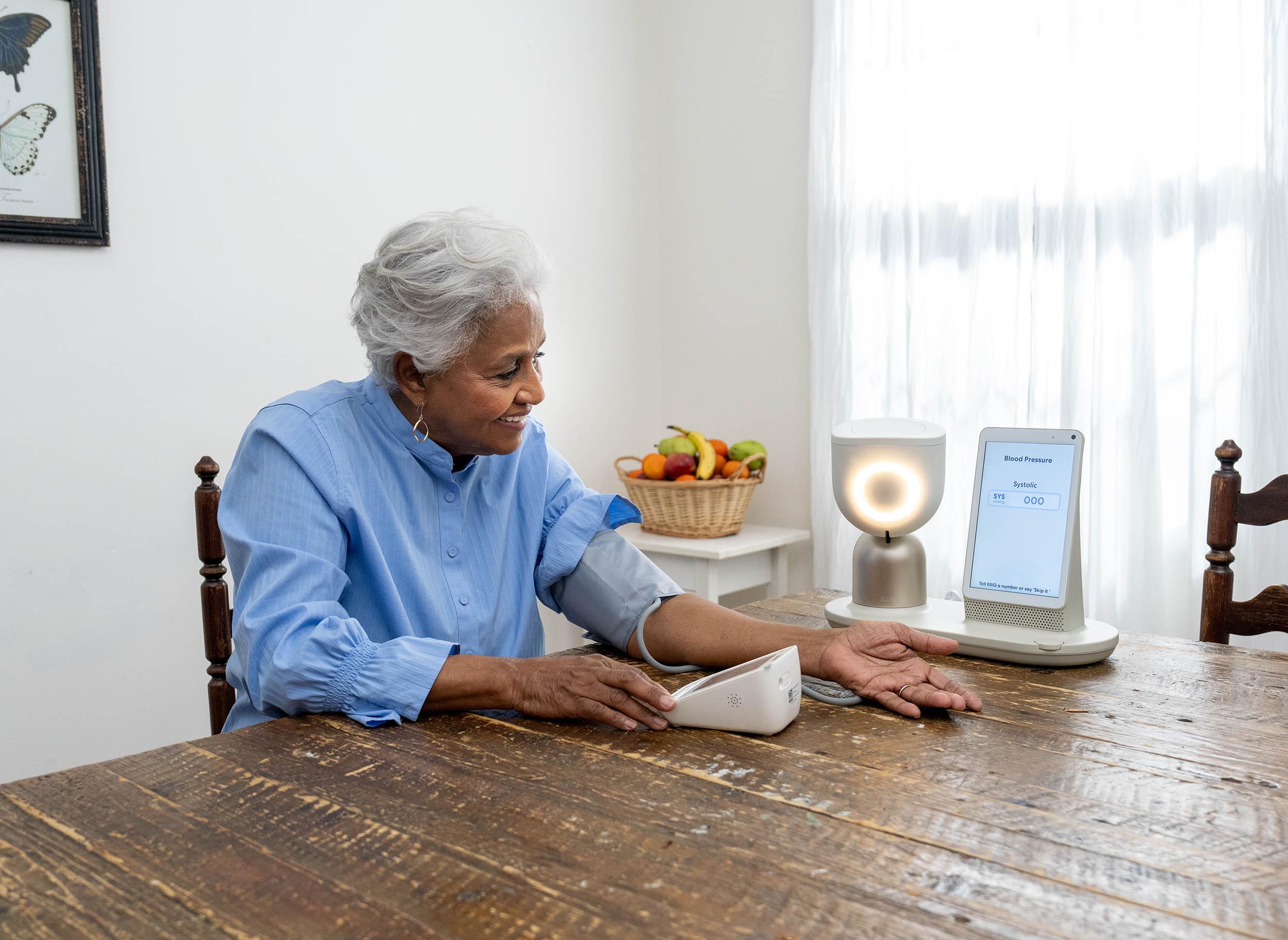
Forget clunky panic buttons. We’re entering the era of Ambient Intelligence, where WiFi waves and 4D radar detect falls and health changes through walls—no cameras or wearables required.
1. The €5.7 Trillion Shift: Why Longevity is Big Business
We used to think of aging as a niche market for medical devices. But by 2025, the "Silver Economy" in Europe alone is valued at a staggering €5.7 trillion. This isn't just about healthcare; it’s about a total redesign of our lives as we prepare for the "100-Year Life."
With the global worker-to-retiree ratio projected to drop below 2:1 by 2050 in many developed nations, we simply won’t have enough human hands to provide traditional care. The solution? We are turning to technology to bridge that gap, making "aging in place" not just a preference for the 94% of seniors who want it, but a logistical reality.
2. From "Wearables" to "Invisibles"
For years, the gold standard for senior safety was a wearable button. The problem? People forget to charge them, or they don’t want the "stigma" of wearing one. In 2025, the trend is shifting toward Ambient Intelligence.
- WiFi Sensing: Companies like Origin Wireless are now using the actual WiFi waves in your home to detect movement. By analyzing how radio waves bounce off objects (and people), AI can distinguish between someone walking to the kitchen and someone falling in the bathroom—no cameras required.
- 4D Radar: Vayyar Care uses imaging radar to create a "point cloud" of a room. It can sense if a person is sitting, standing, or lying down, even through walls or in a steam-filled shower. It’s safety that you never have to remember to "turn on."
3. The Human Connection: Meet Your AI Roommate
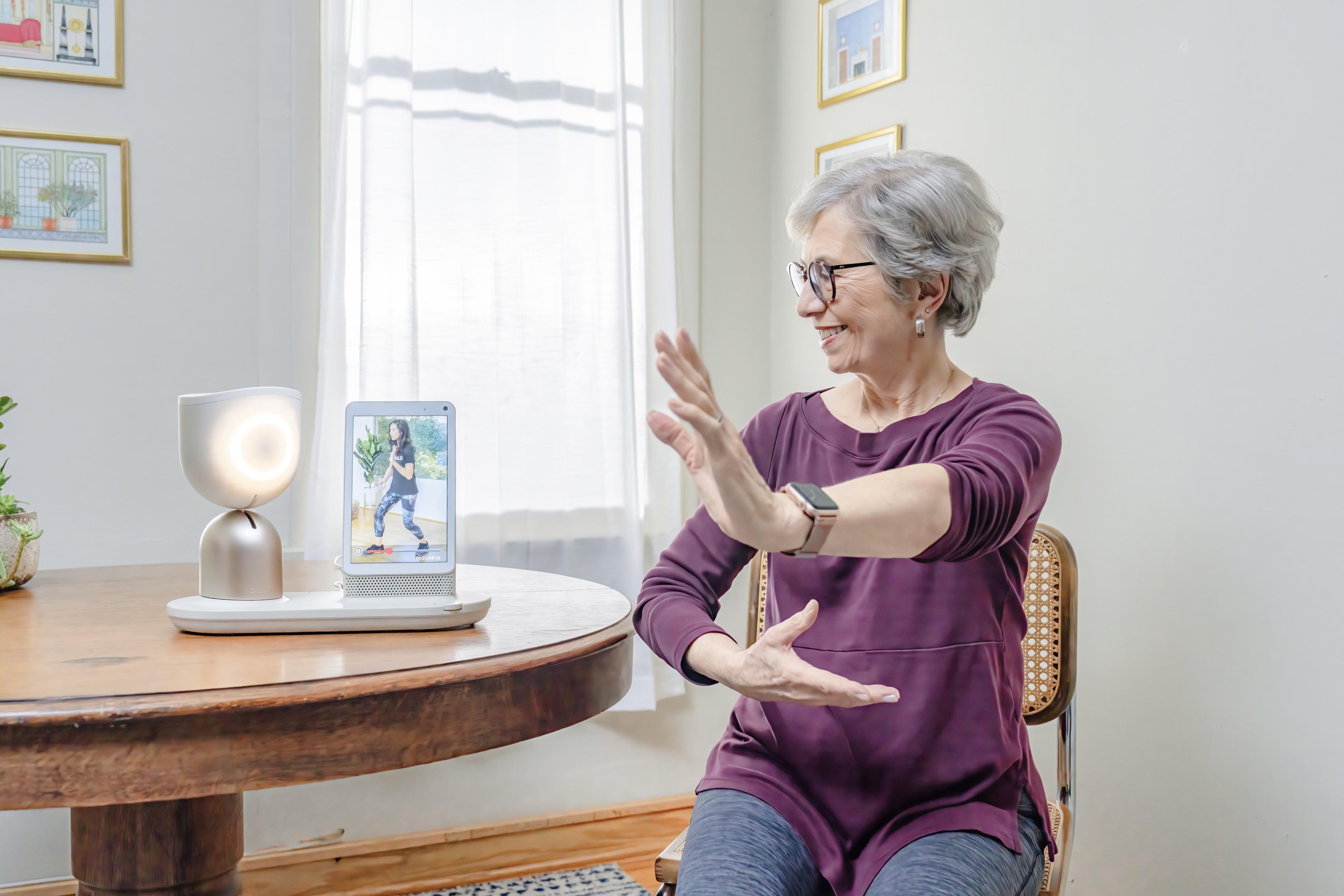
Safety is one thing, but loneliness is a health crisis of its own. That’s where Social Robotics and Generative AI come in.
The ElliQ robot isn't just a smart speaker; it’s proactive. It might suggest a morning walk or crack a joke to start your day. In recent studies, 95% of users reported a significant reduction in loneliness. Meanwhile, new "Health Navigators" like Thrive AI are acting as 24/7 coaches, helping users manage chronic conditions like hypertension with conversational, empathetic advice.
The design of ElliQ is intentionally non-humanoid—it looks more like a high-tech lamp with a moving "head"—yet users frequently anthropomorphize it. In pilots conducted by the New York State Office for the Aging, researchers found that seniors didn't just use the device; they bonded with it.
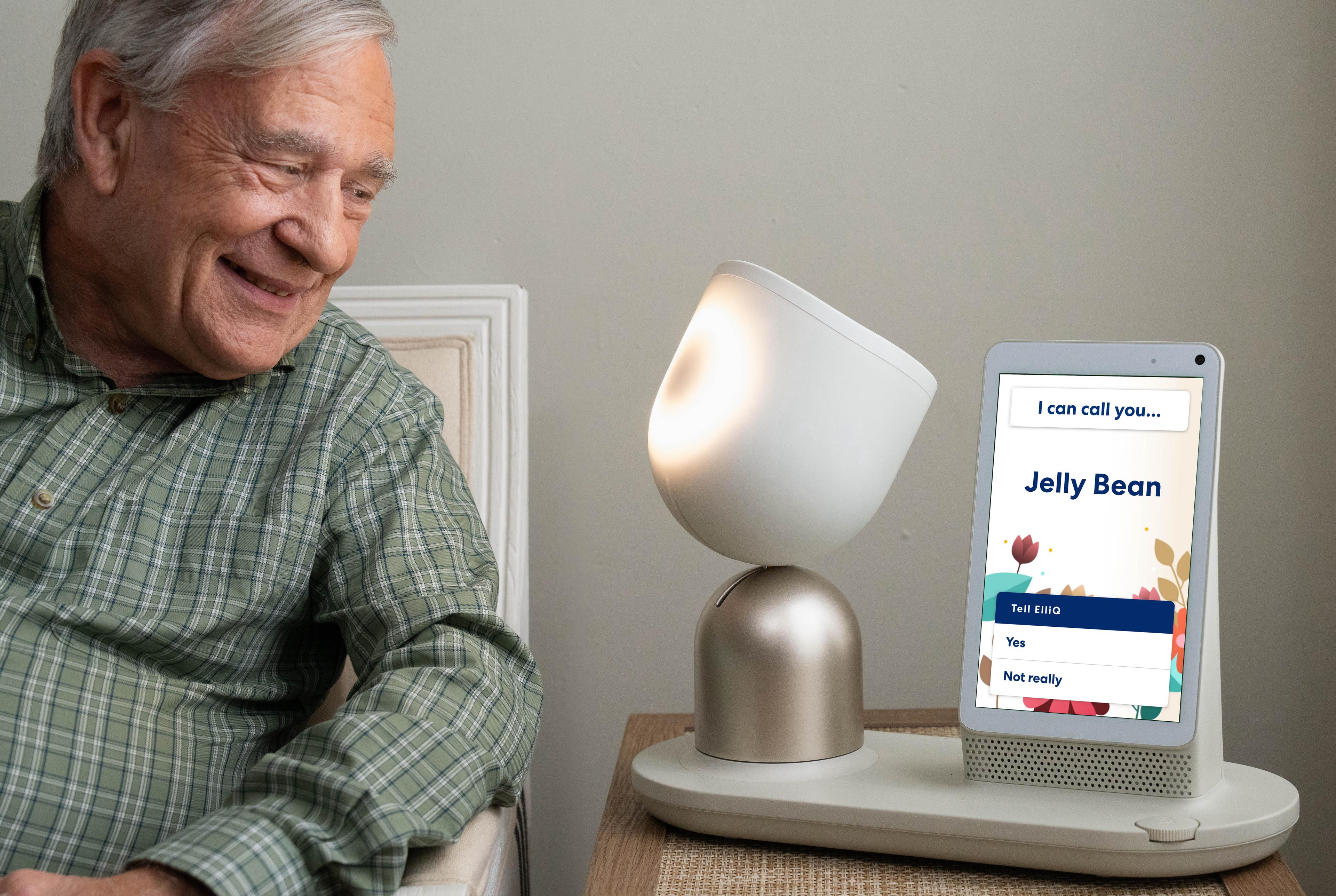
- Cognitive Stimulation: ElliQ hosts daily trivia, shares news tailored to the user's interests, and facilitates "digital tours" of world landmarks to keep the mind sharp.
- The Family Bridge: One of the most vital features at Velio's lifestyle intersection is how ElliQ simplifies communication. For a senior who might struggle with small smartphone buttons, ElliQ allows them to send and receive photos or video calls using only their voice.
- Health Adherence: Beyond social chat, the robot acts as a gentle health manager. It tracks medication schedules and hydration, reporting back to family members or caregivers if a critical dose is missed, providing peace of mind without the need for constant human "checking in."
The data is hard to ignore. When we look at the results from state-led programs, 95% of users reported that ElliQ made them feel less lonely, and over 70% felt more connected to their health goals. By treating a senior not as a "patient" to be monitored, but as a "partner" to be engaged, social robotics is proving that the 100-year life can be as vibrant as it is long.
4. The Diversity Gap in Tech Adoption
At Velio, we believe tech should work for everyone. However, the data shows some fascinating divides:
- The Power Users: Interestingly, Asian American seniors are leading the charge in hardware adoption, with wearable usage rates between 35% and 42%—nearly double the general senior population.
- The Language Barrier: Despite high hardware use, many of these users face a "software gap." If a life-saving health app doesn't support their primary language, the tech becomes a paperweight.
- The Digital Divide: Broadband access remains a hurdle. Only about 28% of those over 80 have high-speed internet at home, compared to 66% of those in their late 60s.
The Velio View: The Virtual Nursing Home
As we look toward 2030, the line between "home" and "care facility" will continue to blur. Your future apartment won't just have smart lights; it will have built-in health monitoring as a standard utility. The "AgeTech Revolution" isn't about replacing humans with robots—it’s about using technology to preserve our independence and dignity for as long as possible.
Keep reading
Random picks from across Velio.

As we move deeper into 2025, a profound inversion is reshaping the technological landscape. The frontier of AI innovation has migrated from distant, massive cloud servers to the in

Discover how the "AI Co-Parent" is revolutionizing pet care. From smart collars to health-tracking litter boxes, explore the $50B tech trend saving pet lives.

By using inexpensive "smart stickers" (NFC Stickers, the tech inside your credit card), you can create a home that organizes itself.
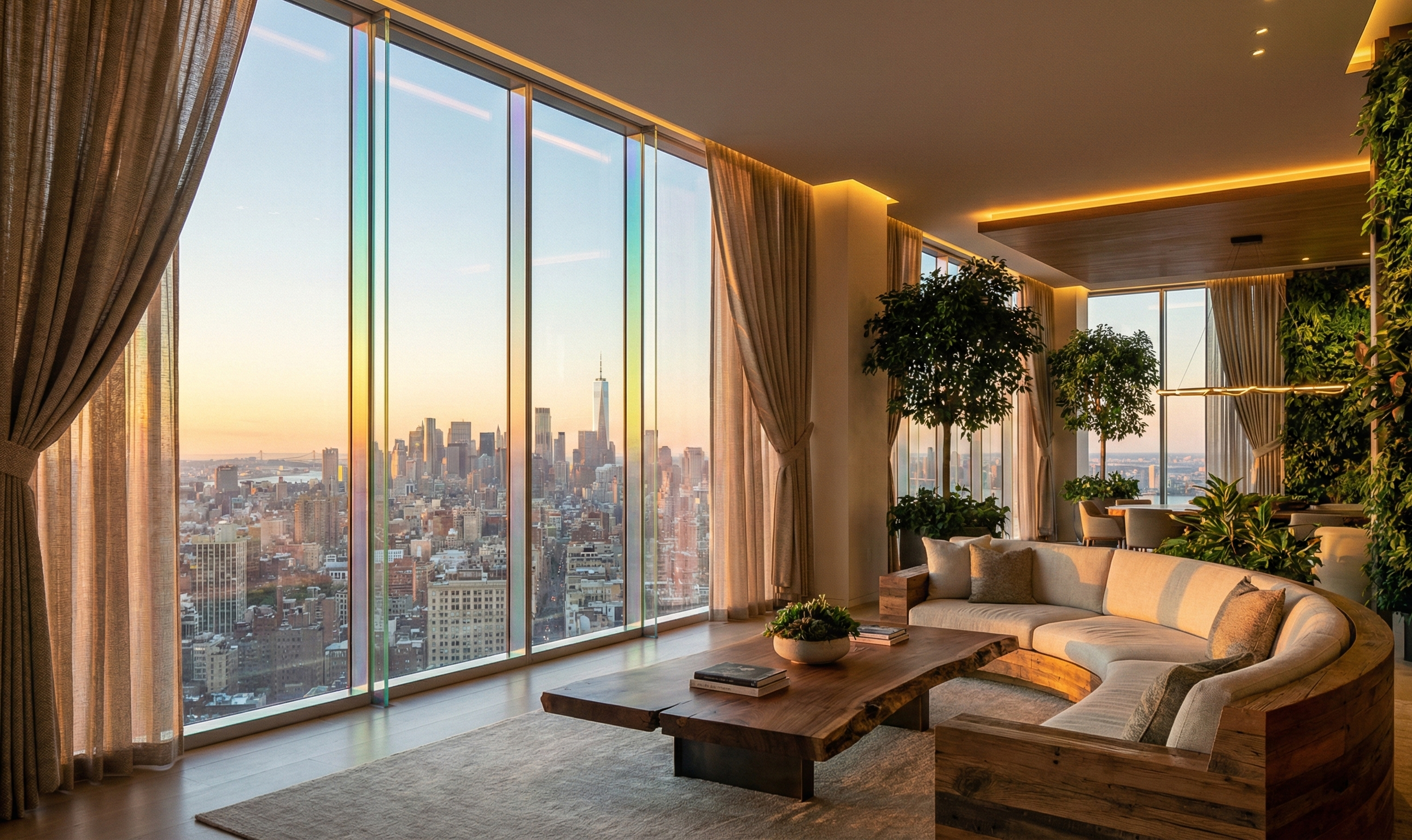
Discover how transparent solar windows and smart curtains are redefining urban energy in 2026. Explore the "Vertical Power Plant" and the latest BIPV trends from key players like UbiQD and SolarGaps.
2025 marks the end of the "app" era. Explore how Ambient Computing, Large Action Models (LAMs), and neural interfaces are making screens obsolete.

As we close out 2025, the landscape of budget PC building has shifted dramatically. Two years ago, "budget" meant compromising on core counts or being stuck on dead-end platforms.

Is TypeScript losing its crown? Explore the 2025 dev landscape, rising salaries, developer burnout, and Microsoft’s 10x faster Go-based "Project Corsa."
Why 60Hz is obsolete in 2026. Discover how 144Hz displays reduce eye strain, boost productivity, and why gaming tech is now the essential office health standard.

Stop monetizing hobbies. Discover why "strategic uselessness" and active recovery are the real cures for burnout. Hack your 5-to-9 routine for healing, not just hustling.